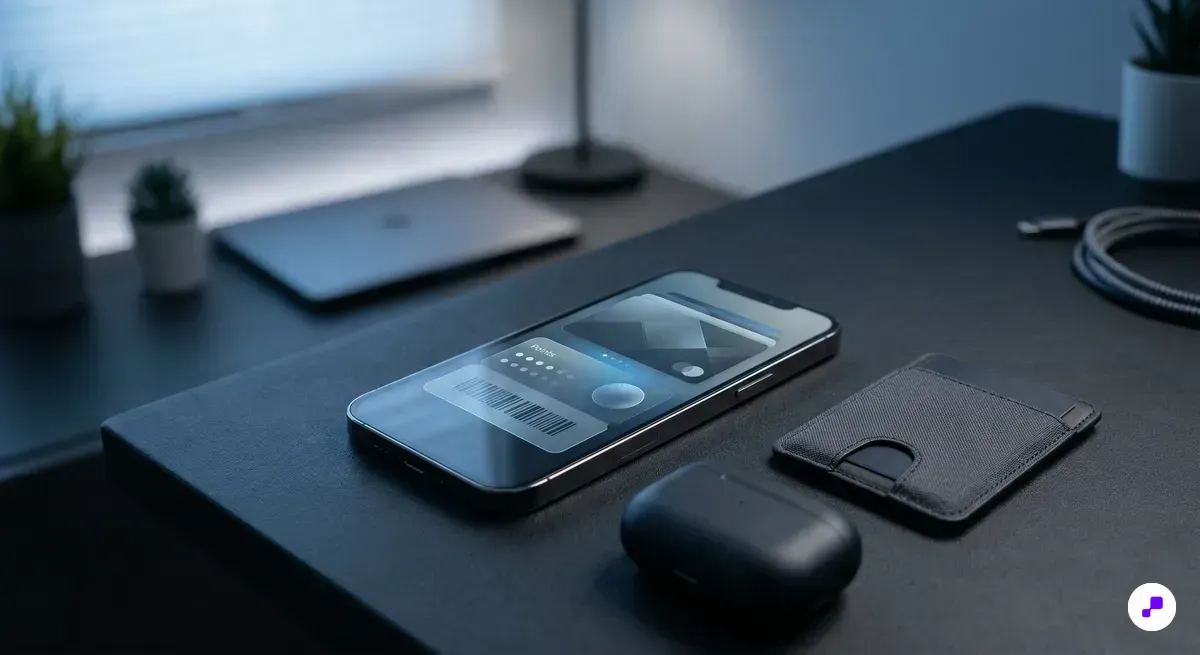
The loyalty programs that actually drive retention share one trait: they reward behaviors that build habits, not just transactions. Points for purchases are table stakes. The programs that turn first-time buyers into lifelong customers reward engagement, advocacy, and emotional connection. If you want to understand the full range of best loyalty program structures, start there — this resource focuses specifically on the card and reward ideas that measurably improve retention.
67%
of customers say they would spend more with a brand that has a good loyalty program, but only 44% feel their current loyalty programs are valuable
Bond Brand Loyalty Report 2024
Key takeaways
25 Loyalty Card Ideas to Boost Retention (2026) — the short version
Points programs convert best when the first reward is reachable within 2-3 purchases — customers who redeem early stick around 3x longer.
Non-purchase earning actions (reviews, referrals, social shares) capture 90% of the customer relationship that transaction-only programs miss entirely.
Tiered loyalty cards tap into status psychology — but only if each tier unlocks genuinely different perks, not just incremental point multipliers.
Digital Apple Wallet loyalty cards get 90%+ open rates on push notifications vs. 20% for email — the channel difference is the ROI multiplier.
Track redemption rates, not just enrollment. A program with 80% enrollment but 5% redemption is a liability, not an asset. Aim for 40%+ active redemption.
Tech-forward fintech aesthetic with cool blue-grey tones and sharp reflections
Points and Rewards Ideas That Drive Repeat Purchases
Points programs work when the earning feels fast and the rewards feel worth it. These ideas accelerate the earn-redeem cycle to create purchasing habits.
Accelerated Earn Rate for First 30 Days
high impactbeginner
Offer 3x points earning for the first 30 days after enrollment. This hooks new members with fast progress and creates urgency to make additional purchases while the multiplier is active. The psychological anchor of a high early balance makes the program feel valuable before the standard rate kicks in.
Example
A skincare brand offers 3x points for the first month. 62% of new members make a second purchase within 30 days, compared to 28% without the accelerator — a 2.2x lift in early repeat purchase rate.
Wallet Pass Angle
Push a wallet notification on day 25: 'Your 3x bonus expires in 5 days — you have 450 points. One more purchase gets you to your first reward.'
Milestone Bonus Points
high impactbeginner
Award surprise bonus points at spending milestones — $100, $250, $500, $1,000 lifetime spend. The 'surprise' element matters: don't advertise exact thresholds in advance. When the bonus hits, it feels like a gift, not an expectation. This creates positive emotional associations with spending more.
Example
An outdoor gear retailer awards 500 surprise bonus points when a customer hits $500 lifetime spend. The accompanying email says 'You've been with us long enough to earn something special.' 41% of milestone recipients make a purchase within 14 days.
Category Exploration Rewards
high impactintermediate
Give bonus points when customers purchase from a product category they haven't tried before. This diversifies their relationship with your brand — a customer who buys across categories is 3x more likely to stay than one who buys from a single category. Map your catalog into 4-6 categories and track completion.
Example
A home goods store offers 100 bonus points for a first purchase in each of 5 departments: kitchen, bedroom, bath, outdoor, decor. Customers who complete 3+ categories have a 78% annual retention rate versus 45% for single-category shoppers.
Streak Rewards for Consecutive Purchases
high impactintermediate
Reward customers who purchase in consecutive time periods — every month, every season, every quarter. The streak mechanic creates gentle urgency to maintain the chain. After 3 consecutive periods, the reward escalates. After 6, it escalates again. If the streak breaks, the customer starts over — creating a soft commitment loop.
Example
A coffee subscription brand awards escalating points for monthly streak purchases: month 1-3 = 50 bonus, 4-6 = 100 bonus, 7-12 = 200 bonus. Annual streak completers have a 94% renewal rate.
Wallet Pass Angle
Display the current streak on the wallet pass: '4-month streak — keep it going for double points next month.'
Birthday Month Double Points
medium impactbeginner
Instead of a one-time birthday discount (which trains customers to wait), offer double points for the entire birthday month. This creates multiple purchase opportunities and feels more generous than a single coupon. The extended window accommodates busy schedules while still driving urgency.
Example
A beauty retailer offers 2x points throughout the customer's birthday month. Average birthday-month spend is $142 compared to $67 in regular months — a 112% lift driven by multiple visits, not just one discounted transaction.
VIP Tier Ideas That Create Aspiration and Lock-In
Tiers work because they tap into status psychology. These tier ideas go beyond basic bronze-silver-gold to create genuine exclusivity that customers don't want to lose.
Experience-Based Tier Benefits
high impactintermediate
Replace discount-based tier perks with experience-based ones. Top-tier members get early access to new products (48 hours before launch), invitations to private events, complimentary services (alterations, gift wrapping, styling), and a direct line to customer support. These benefits cost less margin than discounts but feel more valuable. For implementation ideas, see our tiered loyalty program guide.
Example
A DTC brand replaces their 20% VIP discount with early product access + free express shipping + quarterly surprise gifts. Retention at the top tier improves from 71% to 89% — while average margin per order increases by 8 points.
Tier Downgrade Grace Period
high impactintermediate
When a customer is about to lose their tier status, give them a 60-day grace period with a clear message: 'You need $85 more to keep Gold status. Here's a bonus offer to help.' This prevents the loyalty cliff where customers churn because they lost their perks. The grace period recovers 30-40% of at-risk members.
Example
A fashion retailer sends grace period notifications to at-risk Gold members. 37% make a qualifying purchase during the grace period. Without the notification, that number is 8%.
Wallet Pass Angle
Send a wallet push notification 30 days before tier expiration: 'Your Gold status expires in 30 days — $85 more to keep your perks.'
Secret Unlockable Tier
medium impactadvanced
Add an unadvertised top tier that members discover only when they reach it — think airline concierge-level status. The secrecy creates mystique and word-of-mouth. Members who reach it feel genuinely special. Keep benefits exclusive: personal shopper, custom products, founder-level access.
Example
A sneaker boutique has an unlisted 'Archive' tier for customers who spend $5,000+ annually. Archive members get first access to limited drops, a personal buyer, and invitations to pre-release fittings. The tier's existence spreads organically through the sneaker community.
Points + Engagement Hybrid Qualification
high impactadvanced
Require both spending AND engagement to qualify for tier upgrades. A customer needs $500 annual spend plus 3 product reviews to reach Silver. This ensures your best-tier members are both high-spenders and brand advocates. The engagement requirement filters for genuinely loyal customers, not just big one-time spenders.
Example
A wellness brand requires $300 spend + 2 reviews + 1 social share for Gold status. Gold members have a 12-month retention rate of 91%, compared to 67% for spend-only qualification — because the engagement requirements selected for truly committed customers.
Lifetime Status for Long-Term Members
medium impactbeginner
After a customer maintains top-tier status for 3 consecutive years, grant them lifetime status that never expires. This eliminates the annual requalification anxiety and creates a permanent relationship. The cost is minimal — customers who've been loyal for 3+ years rarely churn anyway. The gesture cements the emotional bond.
Example
A bookstore grants 'Lifetime Bibliophile' status to members who hold Gold for 3 years running. The lifetime badge appears permanently on their wallet pass. These members spend 2.3x more annually than standard Gold members and refer 4x more new customers.
Engagement and Advocacy Ideas That Build Habits
Purchase-only programs miss 90% of the customer relationship. These ideas reward the behaviors that predict long-term retention — reviews, referrals, content sharing, and community participation.
Review-to-Earn Points Program
high impactbeginner
Award points for product reviews: 25 points for a text review, 50 for a photo review, 100 for a video review. The escalating reward for richer content incentivizes the review types that most influence purchase decisions. Set a monthly cap (3 reviews) to prevent gaming. Reviews also generate SEO content for your product pages.
Example
A pet supply brand awards 50 points per photo review. Review volume increased 340% in 90 days. Product pages with customer photos convert 21% higher than those without. The loyalty program funds itself through improved conversion rates.
Referral Points with Both-Sided Rewards
high impactintermediate
Give points to both the referrer and the new customer. The referrer earns 500 points when their friend makes a first purchase. The friend gets 200 welcome points. Both-sided rewards outperform one-sided by 3x because the referrer can genuinely say 'you'll get something too.' Track referrals through unique codes on each loyalty card.
Example
A supplement brand's referral program gives 500 points to referrers and 200 to new customers. Top referrers generate 15-20 new customers per year, making referral the brand's lowest-cost acquisition channel at $8 per customer vs. $45 for paid ads.
Wallet Pass Angle
Include a unique referral link on the wallet pass back — members tap to share via text or social media, and both parties see point updates on their passes.
Social Media Check-In Points
medium impactintermediate
Award points when customers share a purchase, store visit, or product photo on social media with your branded hashtag. Verify through hashtag monitoring (manual or automated). The UGC generated feeds your marketing pipeline while the points reward keeps members sharing consistently.
Example
A boutique hotel awards 100 loyalty points for Instagram posts tagged with their location. The hashtag generates 200+ monthly posts — enough organic content to fuel their entire social media calendar without paid shoots.
Quiz and Survey Points
medium impactbeginner
Award points for completing product preference quizzes, satisfaction surveys, or style profiles. Each quiz takes 2-3 minutes and earns 25-50 points. The data you collect enables personalization — better product recommendations, targeted promotions, and inventory planning. Customers get points; you get zero-party data.
Example
A coffee brand awards 30 points for completing a 'Flavor Profile' quiz. 71% of members complete it. The data powers personalized product recommendations in wallet push notifications, driving a 23% lift in click-through rates.
Community Challenge Points
high impactadvanced
Create monthly challenges tied to your brand's mission — a fitness challenge for athleisure brands, a sustainability challenge for eco-brands, a reading challenge for bookstores. Members who complete the challenge earn bonus points and a badge. The shared experience builds community, and the time-bound nature creates regular engagement cycles.
Example
A running store launches a monthly '50 Mile Challenge.' Members who log 50 miles earn 500 bonus points and an exclusive badge on their loyalty card. 44% of participants maintain monthly streaks for 6+ months — a retention rate that points-only programs can't match.
Wallet-Powered Retention Mechanics
Digital wallet passes unlock retention features that physical cards and apps simply can't match. These ideas leverage push notifications, dynamic updates, and persistent visibility.
Win-Back Push Notifications
high impactintermediate
Set up automated wallet push notifications for inactive members — 30 days of no purchase triggers a personalized message with bonus points to return. Wallet notifications achieve 85-95% delivery (vs. 15-20% email open rates), making them the most effective win-back channel. Use the push vs. email ROI calculator to model the impact for your store.
Example
A bakery sends a wallet notification after 14 days of no visit: 'We miss you — 50 bonus points are waiting if you stop by this week.' 31% of recipients visit within 7 days, recovering $4,200 in monthly revenue from lapsed customers.
Wallet Pass Angle
Wallet push notifications bypass email filters and app notification fatigue — they appear directly on the lock screen with 85-95% delivery rates.
Dynamic Expiration Countdown on Pass
high impactintermediate
Display an expiring reward countdown directly on the wallet pass: '15% off expires in 3 days.' The visible countdown creates urgency every time the customer opens their wallet — which happens 80+ times daily on average. Unlike email coupons that expire unseen, wallet-based countdowns stay in the customer's field of vision.
Example
A fashion brand adds 72-hour reward countdowns to wallet passes after every 500-point milestone. Redemption rates jump from 34% (email-delivered rewards) to 67% (wallet-displayed countdowns) — a near-doubling driven purely by visibility.
Wallet Pass Angle
Wallet pass fields update dynamically — the countdown ticks down in real time and disappears after expiration, keeping the pass clean.
Geo-Triggered Loyalty Reminders
high impactintermediate
Use wallet pass geo-fencing to trigger the loyalty card when a member walks near your store. The pass appears on the lock screen with their current points balance and any available rewards. This zero-effort reminder at the moment of highest purchase intent — when they're literally at your door — drives incremental visits.
Example
A multi-location coffee chain uses geo-triggered wallet passes. Stores with geo-fencing see 22% more loyalty scans per day than stores without — because the pass appears automatically instead of requiring the customer to remember.
Wallet Pass Angle
Apple Wallet geo-fencing displays the pass on the lock screen when the customer is within ~100m of the store — no app or manual action required.
Post-Purchase Pass Update with Next Reward Preview
high impactbeginner
After every purchase, immediately update the wallet pass to show updated points and a preview of the next available reward: 'You now have 340 points — 160 more to unlock free shipping.' This closes the loop on every transaction and immediately establishes the next goal, creating a continuous earn-redeem cycle.
Example
An electronics retailer updates wallet passes within 30 seconds of purchase. Members who see the 'next reward preview' on their pass have a 41% higher repeat purchase rate than those who receive the same info via email 24 hours later.
Wallet Pass Angle
Wallet passes update in real time after purchase — the customer sees their new balance and next reward goal within seconds of paying.
Seasonal Pass Refresh with Exclusive Offers
medium impactintermediate
Push a seasonal design and offer update to all wallet passes quarterly — new look, new exclusive reward, new limited-time multiplier. The visual change catches attention (customers notice when a pass they see daily suddenly looks different), and the attached offer drives a purchase within the promotion window.
Example
A candle brand refreshes wallet pass designs seasonally (warm tones in fall, cool blues in winter) with a seasonal 2x points weekend. The refresh generates a 28% spike in purchases during the first 72 hours — all from a push notification and a visual update.
Wallet Pass Angle
Wallet passes support remote design updates — refresh the look and attach a new offer for all members simultaneously without requiring any action from customers.
Pro Tips for General
1
Start with 3-4 loyalty ideas from this list, not all 25 — a focused program is always better than a bloated one with too many mechanics competing for attention
2
Test each new loyalty feature for 60 days before making it permanent — measure incremental repeat purchase rate, not just engagement metrics like points earned
3
The best retention mechanic for your store depends on your purchase frequency: streak rewards for weekly buyers, milestone rewards for monthly buyers, tier-based for seasonal buyers
4
Always pair a points earning moment with a visibility moment — if the customer doesn't see they earned something, the loyalty loop doesn't close
5
Use your loyalty data to identify churn risk early: a member who hasn't earned points in 45+ days is at risk and should enter your win-back flow automatically
Common Mistakes to Avoid
✕
Setting reward thresholds too high — if the average customer can't earn a meaningful reward within 2-3 purchases, they'll disengage before ever redeeming. Run the math: at your average order value, how many purchases does it take to reach the first reward?
✕
Rewarding only purchases and ignoring engagement — a program that only gives points for buying misses the 90% of the customer relationship that happens between purchases. Add review, referral, and social earning to maintain the connection
✕
Treating all loyalty members the same — a customer with 10 purchases and a customer with 1 purchase are at completely different stages. Segment your communications and offers by activity level, tier, and recency
General Benchmarks
30-40% for loyalty program members across retail (vs. 20-25% for non-members)
Avg. Repeat Purchase Rate
Loyalty members have 306% higher lifetime value on average compared to non-members
Avg. Customer Lifetime Value
65-75% for wallet-based programs, 10-20% for standalone app-based programs
Loyalty Program Adoption
Turn These Ideas into a Live Loyalty Program
Implement points, tiers, wallet passes, and push notifications on Shopify in under a day. no developer needed.
Choose 3-5 ideas from this list that match your customers' purchase patterns and your operational capacity. If you're on Shopify, start with wallet-based delivery — the adoption rate alone will give your program a 4-5x enrollment advantage. For category-specific applications, see our guide to building a coffee shop loyalty program. JeriCommerce connects directly to Shopify for points, tiers, wallet passes, and push notifications, with setup in under a day.